

Built-in Fireplace Guide
Built-in Fireplace Guide is a useful topic for homeowners, designers, builders and importers who want a fireplace that looks refined, performs reliably and fits the way modern rooms are used. The best result starts with matching the fireplace type to the room, then planning the wall, power, access and surrounding materials before any finish work begins. Fireplace1 focuses on electric, ethanol, water vapor and 3D fireplace solutions for contemporary residential and commercial spaces.
Why built-in fireplace Matters
A fireplace is no longer only a heating object. In many European and North American interiors it becomes the visual center of the room, the anchor for a TV wall, or the detail that makes a hotel lobby, apartment lounge or villa feel complete. Good built-in fireplace planning improves comfort, visual balance and long-term maintenance. Poor planning often creates common problems such as a fireplace that is too small for the wall, a TV mounted too close to heat, weak cable management, or a feature wall that looks busy rather than premium.
Choose the Right Fireplace Type
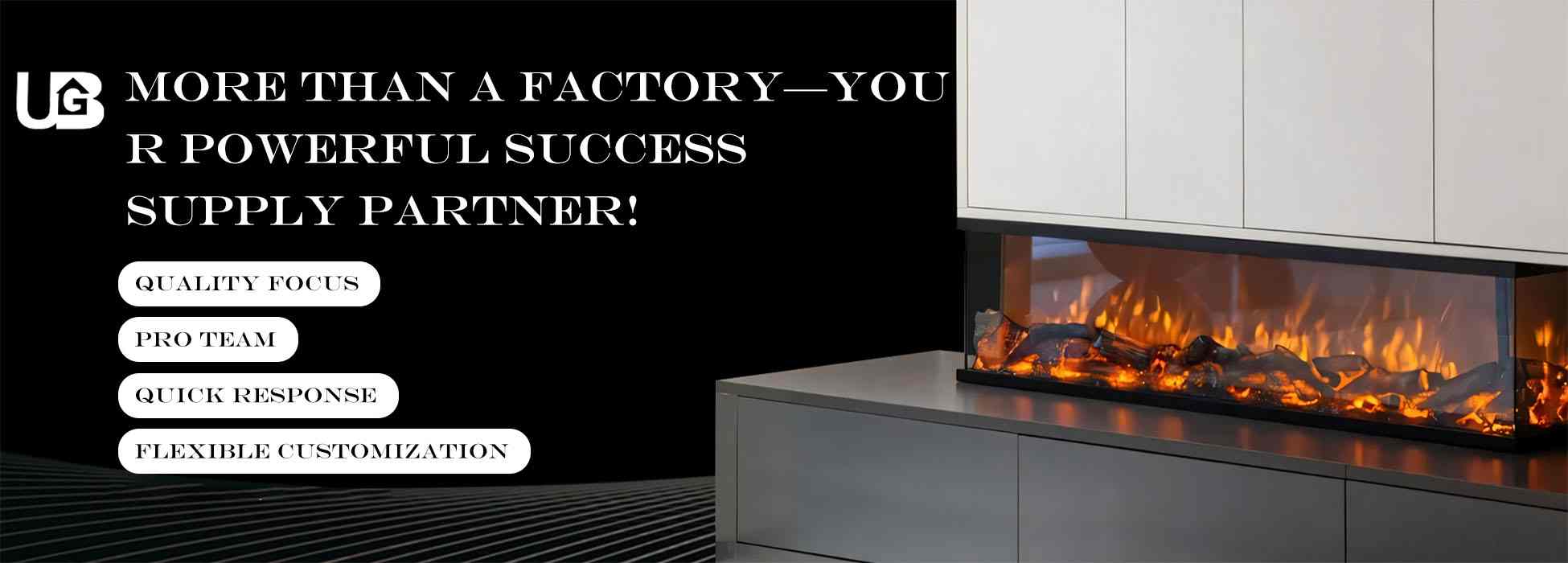
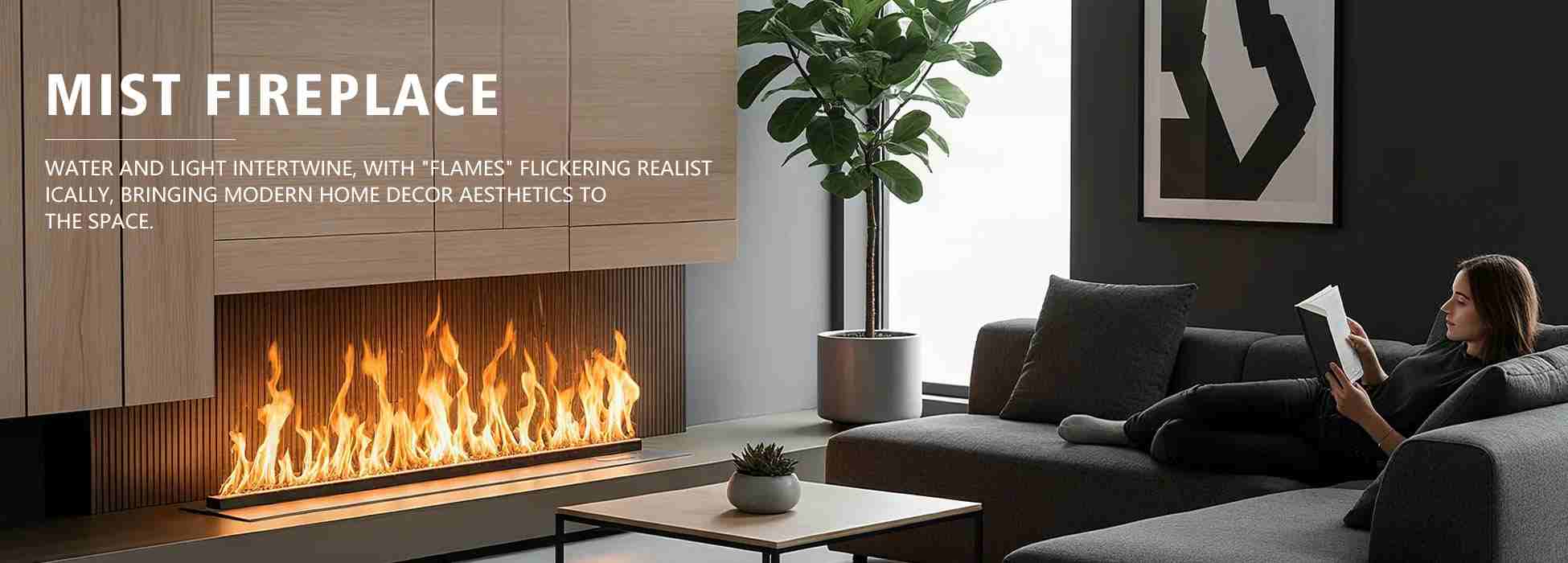
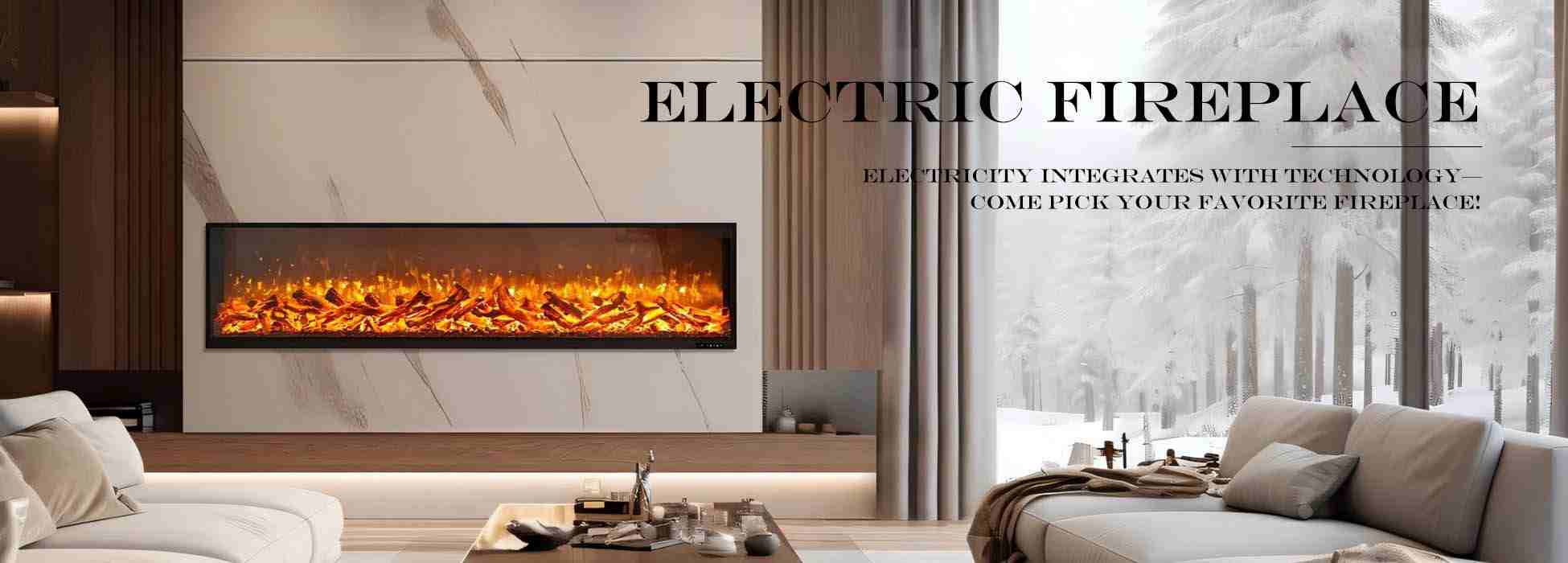
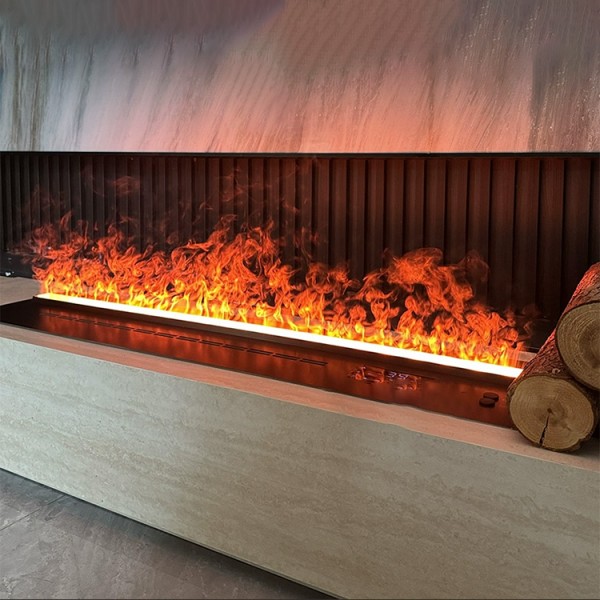
Electric fireplaces are practical for projects that need simple installation, optional heat, remote control and low daily maintenance. Ethanol fireplaces suit buyers who want real flame without a traditional chimney, but they require careful fuel handling and clearance planning. Water vapor fireplaces and 3D fireplaces create a realistic flame effect with water mist and LED light, making them attractive for hotels, apartments, showrooms and family spaces where a cool-touch flame is preferred. Built-in and linear models work especially well when the design goal is a clean architectural wall.
Plan Size, Placement and Proportion
The most successful fireplace walls use clear proportions. A compact room may need a shorter insert with calm surrounding material, while a large open-plan living room can support a long linear fireplace. If the fireplace sits below a television, leave room for a serviceable recess, cable path and safe mounting height. If it is installed in a niche, keep the edges straight and avoid crowding the wall with too many shelves or decorative objects. A simple rule is to make the fireplace wide enough to feel intentional, but not so wide that it overwhelms furniture and circulation.
Installation and Safety Considerations
Before installation, confirm the product dimensions, rough opening, power requirements, mounting method and finish material. Electric fireplaces generally need stable electrical supply and access for service. Ethanol fireplaces need ventilation awareness, approved fuel and clear rules for refilling only when the burner is cool. Water vapor fireplaces need water access or regular refilling depending on the model. For commercial projects, coordinate early with the contractor so that framing, wall finish, drainage, power and control wiring do not conflict late in the build.
Design Details That Improve Ranking and User Experience
For website visitors comparing fireplaces online, useful product pages should show dimensions, flame style, installation type, control options, safety notes and real application photos. For homeowners and designers, content should explain how a fireplace fits daily life rather than only listing features. That is why Fireplace1 groups products by practical categories such as ethanol fireplace, 3D vapor fireplace and decorative electric fireplace, then supports them with guides like this one.
Related Fireplace1 resources: fireplace products, ethanol fireplaces, 3D vapor fireplaces, 2D decorative fireplace models, and project consultation.
Buying Checklist
Before You Request a Quote
Measure the wall width, ceiling height and available depth. Decide whether the fireplace is mainly decorative, heating-focused or a visual centerpiece. Note whether the project needs a recessed, wall-mounted, three-sided, two-sided, linear or portable solution. Take photos of the room and mark nearby outlets, TV position and furniture layout. This information helps the manufacturer recommend a safer and better-looking option.
Questions to Ask the Manufacturer
Ask about voltage, certifications, flame control, warranty, replacement parts, packaging, lead time and customization. For wholesale or project purchasing, also ask whether the supplier can provide installation drawings, product videos, private label options and consistent model availability. A reliable fireplace manufacturer should be able to explain the product clearly and support both design and technical decisions.
FAQ
What is the easiest fireplace to install?
For many homes, an electric fireplace is the easiest because it usually needs no chimney or fuel storage. Recessed models still require framing and power planning.
Are ventless fireplaces good for modern homes?
Ventless fireplaces can be useful when a chimney is not practical, but each technology has different safety and ventilation requirements. Always follow the product manual and local rules.
Can a fireplace be installed under a TV?
Yes, many electric and water vapor fireplaces are used below TVs, but the design should respect heat, service access and cable management. Do not assume every model is suitable without checking specifications.
Which fireplace style is best for luxury interiors?
Linear, built-in and 3D vapor fireplaces are popular in luxury interiors because they create a clean architectural line and can be integrated into stone, wood, plaster or media walls.
Final Thoughts
The best built-in fireplace choice is the one that balances safety, installation reality, room proportion and the atmosphere the owner wants every day. Fireplace1 can help buyers compare electric, ethanol, water vapor and 3D fireplace options for living rooms, villas, apartments, hotels and commercial interiors.
 Fireplace Design Inspiration
Fireplace Trends 2026
Luxury Home Fireplace
Fireplace Decoration Ideas
Fireplace Design Inspiration
Fireplace Trends 2026
Luxury Home Fireplace
Fireplace Decoration Ideas