
Modern Fireplace TV Wall Ideas for Homes, Hotels, and Interior Projects
Modern Fireplace TV Wall Ideas for Homes, Hotels, and Interior Projects
Meta Description: Explore modern fireplace TV wall ideas for electric, 3D, water vapor, and ethanol fireplaces. Learn design tips, sizing, safety, materials, and layout planning for residential and commercial interiors.
A modern fireplace TV wall has become one of the most requested features in contemporary living rooms, villas, hotel suites, and serviced apartments. It brings together visual warmth, media storage, architectural balance, and a natural focal point in one clean wall system. Instead of treating the television, cabinetry, shelving, and fireplace as separate pieces, designers now integrate them into a single composition that feels intentional and easy to live with.
For homeowners, the appeal is comfort and atmosphere. For interior designers and builders, the value is more practical: a fireplace TV wall helps organize cables, hide equipment, frame the main seating area, and create a premium impression without relying on heavy decoration. The right fireplace also matters. A slim electric fireplace, a realistic 3D fireplace, a water vapor fireplace, or an ethanol fireplace insert can each create a different mood and installation requirement.
Why a Fireplace TV Wall Works So Well
The best TV wall designs are not only beautiful; they solve common room planning problems. In many homes, the television naturally becomes the visual center, but a black screen alone can feel flat. A linear fireplace below the TV adds depth, movement, and a sense of hospitality. When the flame is proportioned correctly, the wall feels balanced from both seated and standing viewpoints.
A built-in fireplace also gives the room a clear horizontal line. This is especially useful in open-plan spaces where the living area connects to a kitchen or dining room. The fireplace helps define the lounge zone without adding partitions. In commercial interiors, the same idea works in hotel lobbies, show apartments, club rooms, and reception areas where guests should immediately feel a warm and curated atmosphere.
Choosing the Right Fireplace Type
Electric Fireplace for Easy Installation
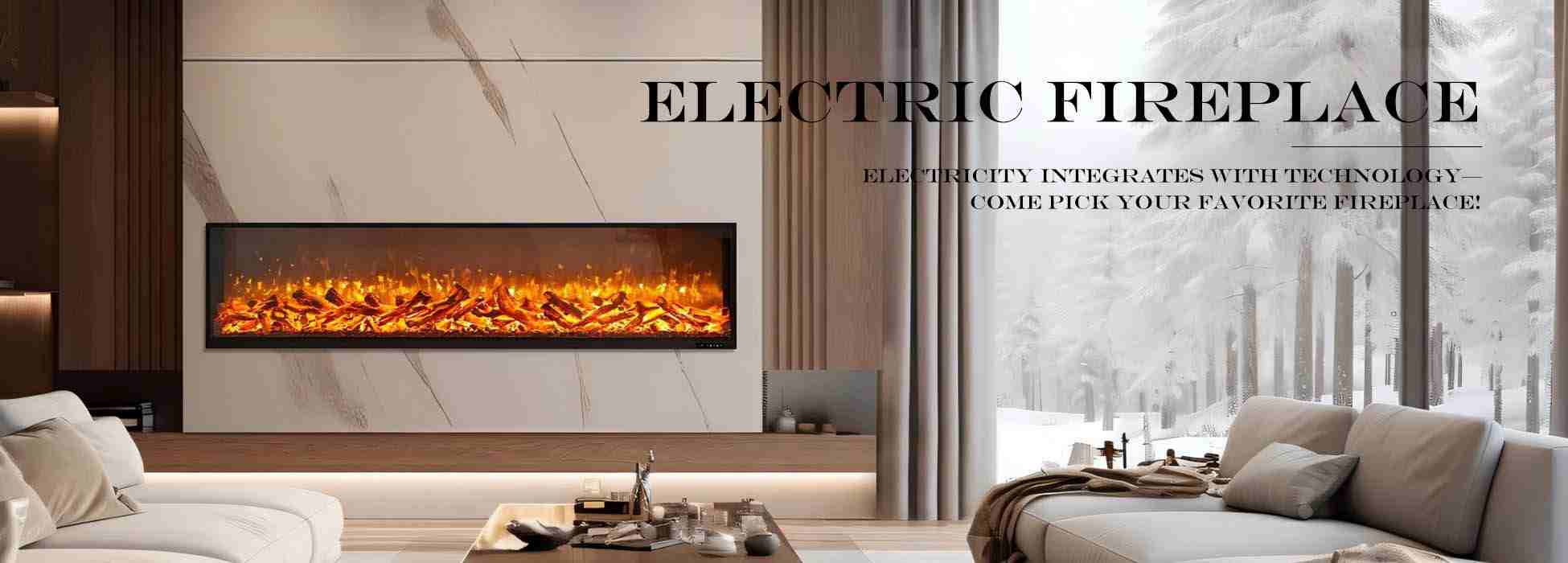
An electric fireplace is often the simplest choice for a fireplace TV wall. It does not require a chimney, gas line, or fuel storage. Many models are slim enough for built-in cabinetry and can be operated with flame effect only, which is useful in warm climates or in rooms where decoration is more important than heating. Electric fireplaces are also popular in apartments because they are clean, quiet, and easy to maintain.
Water Vapor Fireplace for Realistic Flame Movement
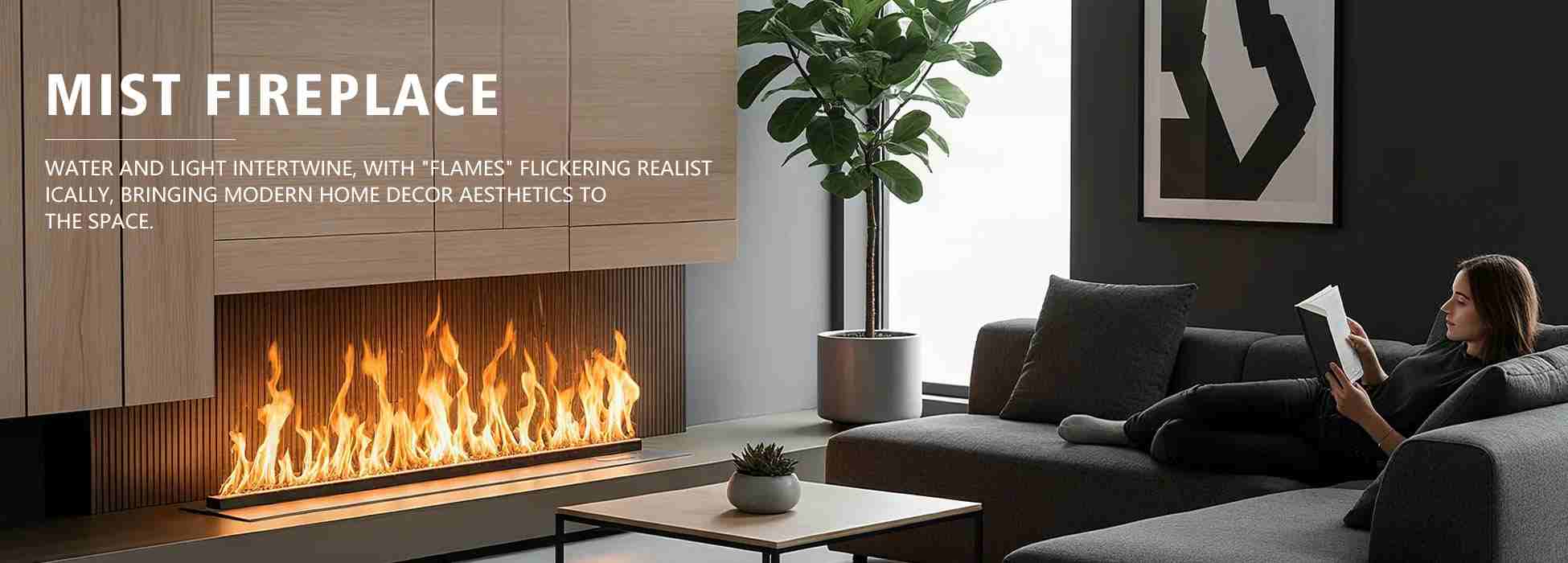
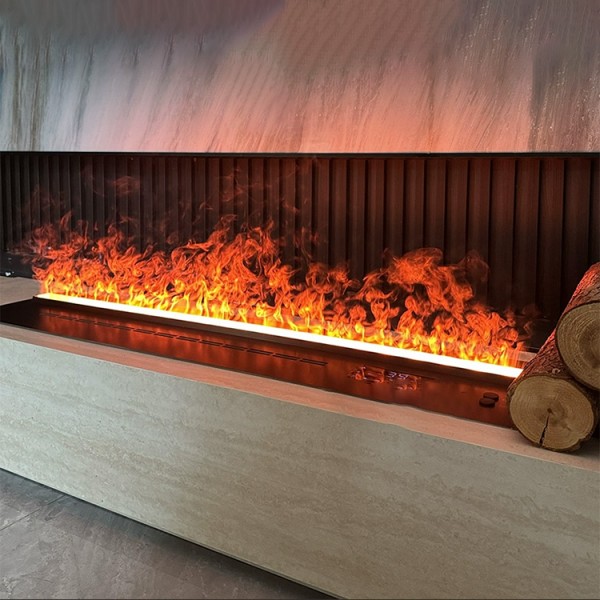
A water vapor fireplace creates a flame-like effect using light and mist. It is a strong option when designers want a soft, three-dimensional flame without real combustion. This type is useful for luxury residences, hotel lounges, and display spaces where visual realism is important. It can also add gentle humidity to dry rooms, depending on the model and usage.
3D Fireplace for Visual Depth
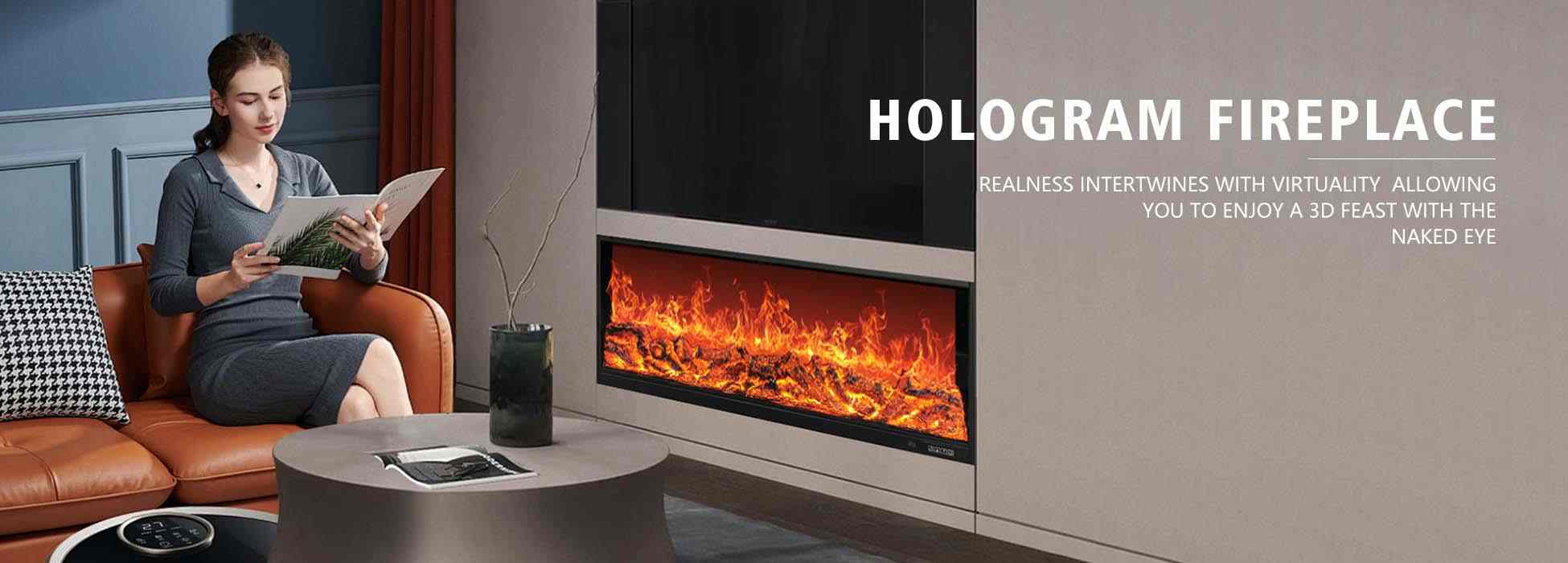
A 3D fireplace is ideal when the design needs a more immersive flame effect. Compared with a flat flame screen, a 3D system can make the firebed appear deeper and more layered. This works especially well below a large TV because the fireplace becomes more than a decorative strip; it becomes a living visual element in the wall.
Ethanol Fireplace Insert for Real Flame Ambience
An ethanol fireplace insert offers real flame without a traditional chimney, although it still requires careful ventilation, heat clearance, and safety planning. It is best suited for projects where real combustion is desired and where the design team can follow manufacturer instructions closely. For most TV wall applications, electric and water vapor fireplaces are easier to specify because they reduce heat concerns around screens and cabinetry.
How to Plan the TV and Fireplace Proportions
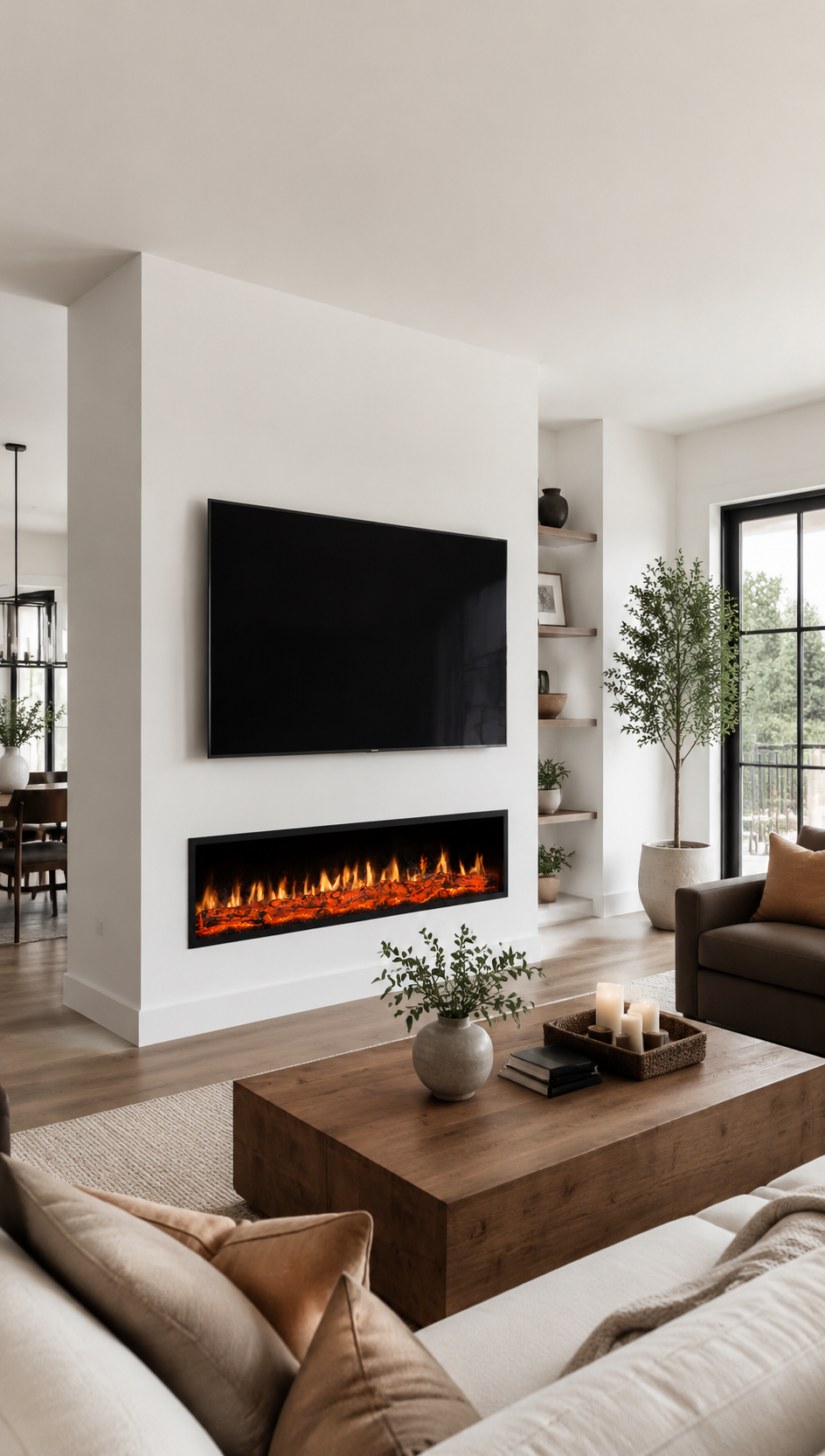
Proportion is the difference between a luxury wall and a crowded one. A common mistake is choosing a fireplace that is too short for the TV. As a rule of thumb, the fireplace should usually be close to the width of the TV or slightly wider. A long linear fireplace creates a stable base for the screen and makes the wall feel more architectural.
The vertical distance between the fireplace and TV is also important. If the fireplace is electric and produces limited front heat, the TV can often sit closer than it could above a traditional firebox. Still, every project should follow the product manual. Designers should leave space for air circulation, service access, and cable management. A recessed niche, shadow gap, or slim mantel ledge can help separate the screen from the flame area visually and technically.
Materials That Make the Wall Feel Modern
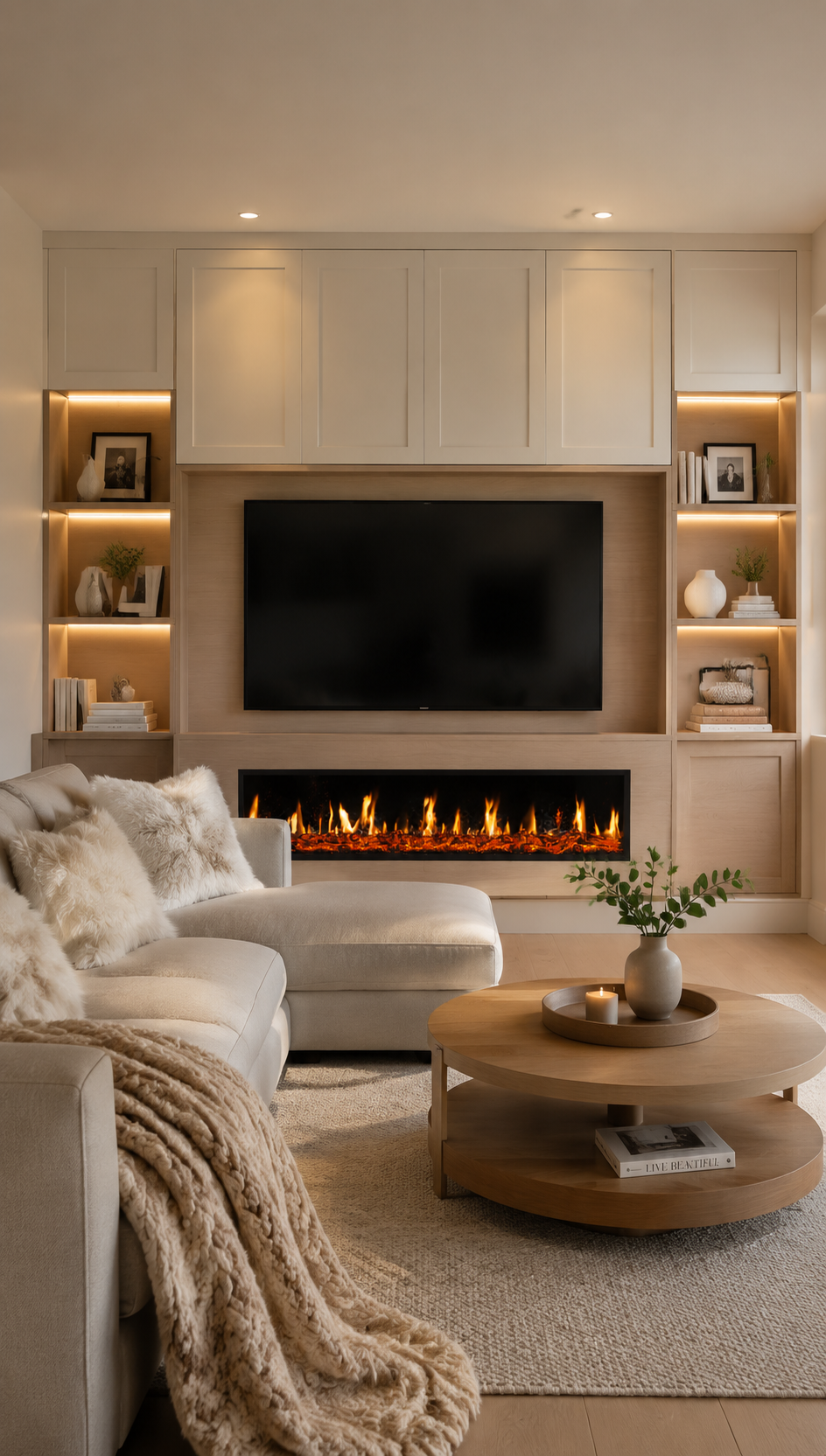
Modern does not have to mean cold. The most successful fireplace TV walls usually combine clean lines with warm materials. Light wood veneer, matte lacquer panels, microcement, stone-look slabs, fluted wall panels, and painted gypsum board all work well. For a softer residential look, built-in shelves with warm LED lighting can frame the TV and fireplace without making the wall feel heavy.
In high-end projects, designers often use a three-part composition: upper storage or display shelving, a central TV recess, and a long fireplace at the lower level. This creates order while leaving room for personal objects. In minimalist spaces, a plain white wall with a black linear fireplace can be enough, especially when paired with natural wood flooring and soft furnishings.
Lighting and Storage Details
Lighting should support the fireplace rather than compete with it. Warm shelf lighting, ceiling downlights, or hidden LED strips can create layers around the wall. Avoid placing strong lights directly above the TV screen, as glare can reduce viewing comfort. If shelves are included, keep styling simple: ceramics, books, small plants, framed photography, and textured objects usually work better than bright clutter.
Storage should be planned early. Media boxes, routers, speakers, remotes, and cables all need a home. Ventilated cabinets are useful for electronics, while access panels make maintenance easier. A clean fireplace TV wall is never just about the visible finish; it depends on the hidden organization behind it.
Safety Considerations Before Installation
Even with electric fireplaces, installation should never be improvised. Confirm the fireplace dimensions, power requirements, heat output, ventilation openings, and clearance rules before building the wall. If the unit has a heater, check where the warm air exits. Avoid blocking vents with cabinetry or trim. For ethanol models, confirm local codes, ventilation, flame guarding, and safe fuel handling.
For project buyers, it is helpful to work with an experienced electric fireplace manufacturer that can provide dimensions, installation drawings, customization options, and technical support. This is especially important for hotel, villa, and commercial projects where multiple units may need consistent appearance and reliable performance.
Design Ideas by Room Type
Small Living Rooms
Use a slim electric fireplace and a simple floating TV wall. Choose light colors and avoid deep cabinets. A horizontal fireplace can make the room feel wider, while hidden storage keeps the seating area calm.
Large Villas
Consider a longer fireplace, symmetrical shelving, and premium materials such as stone, wood veneer, or textured wall panels. A 3D or water vapor fireplace can add drama without overwhelming the room.
Hotels and Serviced Apartments
Durability and easy maintenance matter. Electric fireplaces are practical because staff can operate them simply, and guests can enjoy the flame effect without fuel handling. Standardized sizing also helps with repeat installations.
Internal Product Planning
If you are comparing fireplace styles, start with the full fireplace product range. For projects focused on flame realism, review 3D fireplace models. For simple residential and commercial installations, explore electric fireplace options. If you need custom dimensions for a TV wall, send drawings through the contact page so the fireplace can be matched to the wall design.
FAQ
Can I install a TV above an electric fireplace?
Yes, in many cases a TV can be installed above an electric fireplace, but the final spacing depends on the fireplace model, heat outlet position, and manufacturer instructions. Always confirm clearance before building the wall.
What fireplace width is best for a TV wall?
A fireplace that is close to the TV width or slightly wider usually looks balanced. For large rooms, a longer linear fireplace can create a more luxurious effect.
Is a water vapor fireplace safe for a media wall?
A water vapor fireplace is often suitable for media walls because it creates a flame effect without real combustion. However, it still needs correct installation, power supply, water access or filling, and ventilation around the unit.
Which fireplace is easiest to maintain?
Electric fireplaces are usually the easiest to maintain. They do not require fuel storage, ash cleaning, or chimney service, making them practical for homes, hotels, and apartments.
Can Fireplace1 supply fireplaces for custom TV wall projects?
Yes. Fireplace1 manufactures modern electric, water vapor, 3D, and ethanol fireplace solutions for residential and commercial projects. For custom project support, visit the contact page.
Built-In Electric Fireplace TV
Modern Fireplace TV Wall Ideas
 Linear Electric Fireplace Desi
 Fireplace Design Inspiration